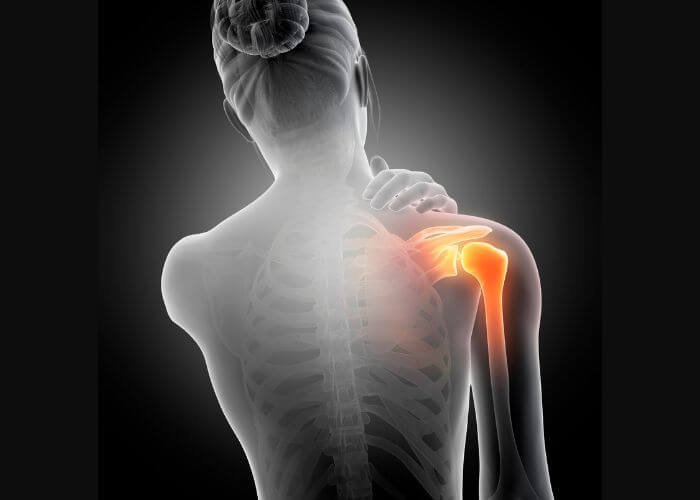
Stem Cell Therapy for Capsular Ligament Injuries
Stem Cell Therapy for Capsular Ligament Injuries is an innovative regenerative medicine approach offered by Medi1001. Our expert medical team provides personalized treatment plans using the latest advances in cellular therapies to help you regain your quality of life.
Capsular ligament injuries are among the most common soft tissue problems affecting joints such as the shoulder, hip, knee, and ankle. These ligaments play a vital role in stabilizing joints, maintaining natural alignment, and allowing smooth movement during daily activities and sports. When capsular ligaments are overstretched, partially torn, or inflamed, individuals may experience pain, stiffness, instability, and reduced mobility. Traditional approaches—rest, ice therapy, anti-inflammatory medications, bracing, or even surgery—do not always promote complete recovery. As a result, patients increasingly seek more advanced, biological solutions that target the root cause of ligament damage.
Stem Cell Therapy for Capsular Ligament Injuries represents a modern regenerative option designed to support tissue repair at the cellular level. Instead of simply relieving symptoms, stem cell therapy aims to restore the structural integrity of damaged ligaments, reduce inflammation, enhance mobility, and create long-term functional improvement. Medi1001 provides specialized regenerative protocols that prioritize safety, precision, and customized treatment planning for every patient.
What Are Capsular Ligament Injuries?
Capsular ligaments are thick, fibrous bands that help stabilize and protect joints. They surround joint capsules and support smooth movement by preventing excessive motion. When these ligaments are exposed to repetitive stress, sudden trauma, or overstretching, they can become inflamed or structurally damaged. This condition is known as a capsular ligament injury.
Such injuries are frequently seen in active individuals, athletes, and people whose work requires repetitive joint movements. However, they can also affect those with poor posture, age-related tissue weakening, and sedentary lifestyles. Capsular ligament injuries range from mild irritation to moderate sprains and, in severe cases, partial ligament tears.
What Causes Capsular Ligament Injuries?
The reasons behind capsular ligament damage are diverse and vary from person to person. Understanding the underlying cause is essential for effective treatment planning. Common contributors include:
- Repetitive overuse: Continuous strain from sports or occupational tasks can weaken ligaments over time.
- Acute trauma: Sudden falls, collisions, or twisting injuries can overstretch or tear ligaments instantly.
- Joint instability: Weak muscles or previous injuries may cause excessive motion, overloading the capsular ligaments.
- Poor biomechanics: Improper movement patterns, flat feet, or misaligned joints increase tendon and ligament stress.
- Aging and tissue degeneration: Ligament elasticity naturally decreases with age, making them more prone to injury.
- Inflammatory conditions: Chronic inflammation can weaken ligament fibers, reducing structural resistance.
Regardless of the cause, capsular ligament injuries can significantly limit joint function and quality of life if not treated appropriately.
Symptoms of Capsular Ligament Injuries
The symptoms may vary depending on which joint is affected and the severity of the damage. However, common signs include:
- Sharp or chronic joint pain
- Stiffness and restricted range of motion
- Joint instability or “giving way” sensation
- Swelling around the joint capsule
- Discomfort during weight-bearing activities
- Pain that worsens with movement or pressure
- Clicking or catching sensation in the joint
As symptoms progress, individuals may avoid using the injured limb, leading to muscle weakness, decreased mobility, and compensatory movement problems.
Limitations of Traditional Ligament Treatments
Many patients initially attempt standard methods to relieve their symptoms, such as rest, NSAIDs, steroid injections, or physical therapy. While these approaches may offer short-term relief, they often fail to promote full structural healing. Some limitations include:
- NSAIDs: Reduce pain temporarily but do not repair ligament fibers.
- Steroid injections: Provide temporary relief but may weaken tissue long-term when used repeatedly.
- Rest and immobilization: May reduce inflammation but can lead to joint stiffness and muscle atrophy.
- Surgery: Reserved for severe cases and involves higher risk, long recovery time, and potential complications.
Because ligament tissue has limited blood supply, complete healing can be challenging without biological regenerative support. This is where stem cell therapy offers a promising advantage.
How Stem Cell Therapy Supports Ligament Regeneration
Stem cell therapy leverages the natural repair mechanisms of the body by delivering mesenchymal stem cells (MSCs) to the injured area. These cells possess regenerative, anti-inflammatory, and tissue-modulating properties. When administered biologically, MSCs may:
- Reduce inflammation within the joint capsule
- Stimulate collagen production and ligament fiber repair
- Regulate the immune response to prevent ongoing tissue damage
- Enhance joint stability and structural strength
- Support long-term functional improvement
Unlike medications that only suppress symptoms, stem cell therapy targets the underlying biological factors contributing to ligament injury. This makes it a valuable option for individuals seeking long-term recovery without invasive procedures.
Stem Cell Therapy for Shoulder, Hip, Knee, and Ankle Ligament Injuries
Capsular ligament injuries can affect multiple joints. Stem cell therapy offers a versatile, customizable approach for each area:
- Shoulder capsular ligaments: Often affected by overhead sports and repetitive arm movements.
- Hip capsule ligaments: Frequently strained by twisting motions or heavy lifting.
- Knee joint capsule: Vulnerable to trauma, pivoting injuries, and instability.
- Ankle capsule ligaments: Commonly injured during running, jumping, or uneven surface walking.
By delivering regenerative cells directly to the injured site, stem cell therapy may promote healing regardless of which joint is affected.
Medi1001’s Regenerative Approach
Medi1001 follows a structured, patient-centered treatment model designed to maximize safety and biological support. Every patient undergoes a thorough evaluation to determine eligibility for stem cell therapy. The approach includes:
1. Initial Assessment
An expert reviews:
- Medical history
- Imaging results (MRI, X-ray, or ultrasound)
- Current symptoms and physical limitations
- Previous treatments and their outcomes
2. Personalized Treatment Planning
Based on the patient’s condition and injury severity, a customized protocol is developed using high-quality allogeneic mesenchymal stem cells prepared in advanced laboratory settings.
3. Stem Cell Preparation
Cells undergo strict quality control to ensure viability prior to treatment. This process generally takes 5–10 days.
4. Stem Cell Administration
On the treatment day, regenerative cells are carefully injected into the targeted ligament region. The procedure is minimally invasive and performed under sterile conditions for maximum comfort.
5. Post-Treatment Follow-Up
The follow-up team monitors:
- Healing progression
- Symptom changes
- Joint function improvements
- Any treatment-related concerns
Who May Benefit from Stem Cell Therapy?
Not every patient is automatically eligible for stem cell treatment. Medi1001 prioritizes safety and realistic expectations. Candidates who may benefit include individuals with:
- Chronic capsular ligament pain
- Partial ligament tears
- Reduced joint mobility
- Failed improvements with conservative treatments
- Recurrent instability or stiffness
Patients with advanced systemic health problems or severe ligament ruptures may require alternative treatment approaches.
Expected Outcomes and Recovery Timeline
Responses to stem cell therapy vary depending on injury severity, lifestyle habits, and overall health. Many patients begin noticing changes within the first weeks, with continued improvements over several months. Potential outcomes include:
- Reduced inflammation and pain
- Improved joint stability
- Enhanced range of motion
- Strengthened ligament structure
- Better functional performance
Rehabilitation, gradual loading, and corrective exercises may enhance the benefits of regenerative therapy.
Advantages of Choosing Medi1001
Medi1001 prioritizes:
- Personalized protocols designed around each individual’s needs
- Advanced laboratory-prepared MSCs
- Safe, controlled treatment procedures
- Transparent evaluation and realistic expectations
- Continuous post-treatment monitoring and support
Our primary goal is to support long-term recovery, improve joint comfort, and help patients regain functional mobility through regenerative medicine.
Taking the Next Step Toward Recovery
Capsular ligament injuries can restrict daily life, reduce mobility, and cause long-term discomfort if left untreated. Stem cell therapy offers a regenerative approach that targets biological healing rather than temporary relief. If you are exploring innovative options to support your ligament health, a comprehensive evaluation is the first step.
Contact Medi1001 to learn more about stem cell therapy for capsular ligament injuries and begin your personalized assessment.
Ready to explore
Schedule a free consultation with our expert medical team today.
Request Free Consultation