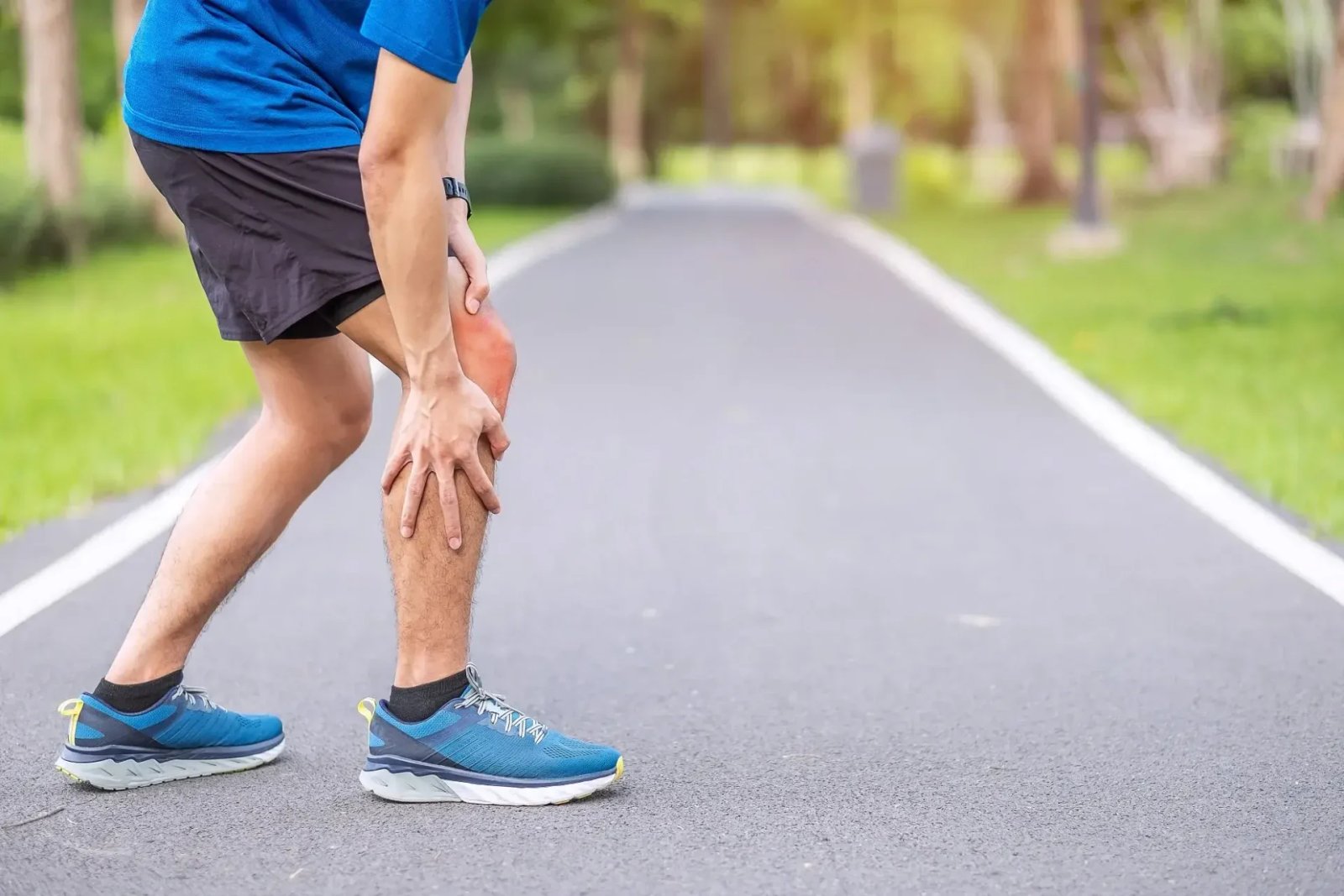
Stem Cell Therapy for Sports Rehabilitation
Stem Cell Therapy for Sports Rehabilitation is an innovative regenerative medicine approach offered by Medi1001. Our expert medical team provides personalized treatment plans using the latest advances in cellular therapies to help you regain your quality of life.
Sports injuries are among the most common challenges faced by both professional athletes and physically active individuals. While the human body is equipped with a remarkable capacity for self-repair, intense physical activity, repetitive motion, and acute trauma can push the body beyond its natural limits. This often results in muscle tears, ligament damage, cartilage deterioration, joint inflammation, and chronic pain syndromes.Stem cell therapy has emerged as a groundbreaking solution that accelerates recovery, promotes tissue regeneration, and improves long-term performance outcomes. At Medi1001, we offer advanced regenerative treatments using high-quality mesenchymal stem cells (MSCs), exosomes, and umbilical cord-derived stem cells-therapies designed specifically to support the physical demands of athletes and active individuals.
Modern sports rehabilitation requires more than rest, ice, and traditional physiotherapy. Athletes often seek solutions that restore mobility rapidly and safely without compromising performance. Stem cell therapy is uniquely suited to meet these demands. This transformative treatment leverages the body\'s natural healing mechanisms to regenerate tissue, reduce inflammation, and enhance durability against future injuries. As a result, athletes return to training sooner, reduce their risk of relapse, and maintain long-term physical resilience.
What Makes Stem Cell Therapy Effective for Sports Injuries?
Stem cell therapy is built on the principle of harnessing the body\'s own biological repair systems. Mesenchymal stem cells, in particular, have strong anti-inflammatory, regenerative, and tissue-repairing capabilities. When administered to an injured area, they detect damage, migrate toward the site, and initiate healing processes that traditional treatments cannot match.
Athletes often face chronic injuries such as tendonitis, muscle tears, shoulder strain, cartilage erosion, and joint degeneration. These injuries typically result from overuse or repetitive motion. Stem cells help reverse degeneration by promoting cellular turnover, stimulating collagen production, and improving blood flow to affected tissues.
Key Benefits of Stem Cell Therapy in Sports Medicine
- Accelerates tissue healing-ideal for muscle tears, ligament sprains, and cartilage damage.
- Reduces inflammation-critical for chronic injuries such as tendonitis, bursitis, and joint pain.
- Improves mobility and flexibility-restores biomechanical function and reduces stiffness.
- Supports long-term regeneration-strengthens tissues to prevent recurring injuries.
- Minimizes downtime-athletes return to training faster compared to traditional rehabilitation.
- Enhances overall performance-healthier tissues contribute to improved strength, endurance, and agility.
This innovative approach is widely used by athletes across football, basketball, tennis, martial arts, swimming, and endurance sports, where rapid recovery and long-term durability are essential.
How Stem Cell Therapy Helps Different Types of Sports Injuries
Sports injuries vary widely depending on the sport, training intensity, and biomechanics. Stem cell therapy adapts to each type of injury by targeting the specific tissue involved.
1. Muscle Injuries and Tears
Muscles are highly vascular and responsive, making them excellent candidates for stem cell-based repair. MSCs help reduce swelling, promote faster fiber regeneration, and enhance muscle strength during recovery.
2. Tendon and Ligament Damage
Tendons and ligaments have limited blood supply, leading to slow healing. Stem cells increase fibroblast activity, promote collagen organization, and improve tissue elasticity-making recovery stronger and more stable.
3. Cartilage Damage and Joint Degeneration
Many athletes experience cartilage wear in the knees, hips, shoulders, and ankles. MSCs stimulate cartilage regeneration and reduce joint inflammation, offering an alternative to surgery for select patients.
4. Overuse Injuries
Golfers, runners, and tennis players often develop chronic overuse conditions. Stem cell therapy helps break the cycle of inflammation and restores tissue function for long-term relief.
5. Post-Surgical Recovery
Stem cell therapy can support recovery after orthopedic surgery by accelerating wound healing, reducing scarring, and improving tissue integration around damaged areas.
The Medi1001 Approach to Sports Rehabilitation
At Medi1001, our treatment protocols are developed for athletes who require precision, safety, and efficiency. Every stem cell procedure is customized according to the type of injury, severity, and performance goals of the patient.
We use a combination of:
- Mesenchymal stem cells (MSCs)
- Umbilical cord-derived stem cells
- Exosomes
- Regenerative growth factors
These components work synergistically to create a powerful environment for healing and performance enhancement.
Our goal is simple:To help every athlete recover faster, perform better, and maintain a healthier body long-term.
Step-by-Step: How Our Sports Stem Cell Treatment Works
Our process is designed to ensure complete clarity, transparency, and safety. Every stage is evaluated by specialists trained in advanced regenerative medicine.
Step 1 - Initial Evaluation
The evaluation stage includes:
- Review of past injuries
- Medical history and previous treatments
- Physical examination
- Imaging tests such as MRI or ultrasound
- Assessment of biomechanical factors
This analysis helps determine whether stem cell therapy is suitable and what specific areas need targeted treatment.
Step 2 - Free Consultation With a Specialist
Once the evaluation is complete, patients receive a free consultation where:
- Treatment options are explained clearly
- Expected recovery timelines are discussed
- Potential outcomes and limitations are reviewed
- Personalized rehabilitation goals are established
This ensures complete transparency before treatment begins.
Step 3 - Stem Cell Preparation
High-quality stem cells are prepared in certified laboratories under sterile conditions. The preparation process typically takes 5 to 10 days depending on availability.
Quality control includes:
- Viability testing
- Contamination screening
- Potency and purity checks
- Safety verification
Only stem cells that meet strict international standards are used for therapy.
Step 4 - Treatment Day
On the treatment day:
- Patients may use our complimentary transportation service
- A specialist administers stem cells via targeted injection or IV infusion
- The procedure is minimally invasive and generally painless
- Most patients leave the clinic within the same day
The treatment method depends on the injury type. For example:
- Tendon/ligament injuries require localized injections
- Systemic issues may use intravenous infusion
- Cartilage degeneration may involve a combination approach
Step 5 - Follow-Up Treatment and Rehabilitation Support
Recovery does not end after the procedure. Medi1001 provides structured follow-up including:
- Regular check-ins
- Guidance for safe return to training
- Recommendations for physiotherapy and strength conditioning
- Progress tracking through imaging or lab results
This ensures that patients experience optimal long-term results.
How Stem Cells Work in the Body for Sports Recovery
Stem cells follow several biological mechanisms to promote healing:
1. Homing to Injury Sites
Stem cells naturally migrate to damaged tissues, detecting inflammation and micro-tears.
2. Anti-Inflammatory Regulation
Reducing inflammation is essential to break the cycle of chronic pain and swelling.
3. Tissue Regeneration
Stem cells release growth factors that support muscle, tendon, and cartilage regeneration.
4. Collagen and ECM Repair
They help rebuild connective tissue strength and elasticity.
5. Neuromuscular Support
Some injuries affect nerve signaling; stem cells can help improve neuromuscular efficiency.
Combined, these mechanisms support faster, safer, and more sustainable healing.
Who Can Benefit From Stem Cell Therapy in Sports Rehabilitation?
This treatment is suitable for:
- Professional athletes
- Amateur and recreational athletes
- Individuals recovering from orthopedic surgery
- People experiencing chronic joint or muscle pain
- Those seeking performance enhancement naturally
Conditions commonly treated:
- ACL, MCL, PCL injuries
- Rotator cuff tears
- Meniscus damage
- Tennis elbow and golfer\'s elbow
- Achilles tendon injuries
- Chronic back pain
- Knee osteoarthritis
- Shoulder and hip strain
Whether the goal is recovery or performance optimization, stem cell therapy can provide substantial benefits.
Why Choose Medi1001 for Sports Stem Cell Therapy?
Medi1001 offers:
- High-quality regenerative treatments
- Specialists trained internationally
- Ethical and transparent evaluations
- Safe, sterile, laboratory-controlled stem cells
- Customized protocols for each athlete
- Follow-up programs for long-term success
- Multilingual assistance and VIP transportation
Our priority is effective recovery, athlete safety, and long-lasting results.
Start Your Advanced Sports Rehabilitation Journey
Stem cell therapy offers a powerful, modern approach to healing sports injuries-without long rest periods, surgery, or unnecessary risks.Medi1001 is committed to offering world-class regenerative medicine services that support your athletic goals and improve your quality of life.
If you are ready to take control of your recovery:
Contact us today to schedule your evaluation and begin your personalized sports rehabilitation program.
Ready to explore
Schedule a free consultation with our expert medical team today.
Request Free Consultation